
There’s something special about leaving the noise of everyday life behind, packing your gear into the car or backpack, and heading somewhere surrounded by trees, fresh air, and open skies. Whether it’s your first camping trip or your tenth adventure, spending time outdoors has a way of slowing things down and reminding you to appreciate the simple things.
But anyone who has spent a night outdoors knows that a great camping experience isn’t just about finding a beautiful campsite. The right gear can make the difference between waking up refreshed and spending the night cold, wet, or uncomfortable.
You don’t need to bring everything you own. In fact, one of the best parts of camping is learning how to pack smart. With a few dependable essentials, you can be prepared for whatever the trail and weather bring your way.
Start With a Reliable Shelter
After a long day of hiking or exploring, there’s nothing better than knowing you have a comfortable place to rest. That’s why a reliable tent should be one of the first things you think about when preparing for a camping trip.
Your tent becomes your home away from home. It protects you from rain, wind, insects, and unpredictable weather while giving you a private space to relax at the end of the day.
Think about where you’re going and what conditions you’re likely to encounter. A lightweight tent might be ideal for a backpacking adventure, while a larger tent can make a family camping trip much more comfortable. Look for durable materials, good ventilation, waterproof protection, and a design that you can set up without too much trouble.
Make Sleep Part of the Adventure
There’s a common misconception that camping means sacrificing a good night’s sleep. It doesn’t have to.
A comfortable sleeping bag and sleeping pad can completely change your experience. After spending hours walking trails, fishing, exploring, or simply enjoying the outdoors, your body deserves a warm and comfortable place to recharge.
Choose a sleeping bag based on the expected temperature and season. If you’re camping somewhere colder, you’ll want insulation that can keep you warm throughout the night. In warmer weather, a lightweight option may be all you need.
Adding a sleeping pad underneath can provide another layer of comfort and insulation between you and the ground. After all, waking up feeling rested makes it much easier to enjoy the next day’s adventure.
Carry What You Need Without the Extra Weight
Once everything is packed, your backpack can quickly become heavier than expected. Food, water, clothing, cooking equipment, and emergency supplies can add up quickly.
That’s why choosing the right camping backpack matters.
A good backpack should feel comfortable even when it’s loaded. Adjustable straps, supportive padding, multiple compartments, and easy access to your essentials can make a long hike much more enjoyable.
The goal isn’t simply to fit everything inside. It’s to carry what you actually need without filling your pack with unnecessary items. Experienced campers often learn that every extra kilogram eventually becomes something they have to carry up a hill.
Don’t Forget the Joy of a Hot Meal
Few things taste better than a hot meal after a day outdoors. Even a simple cup of coffee in the morning can feel like a luxury when you’re sitting beside a quiet campsite watching the sun come up.
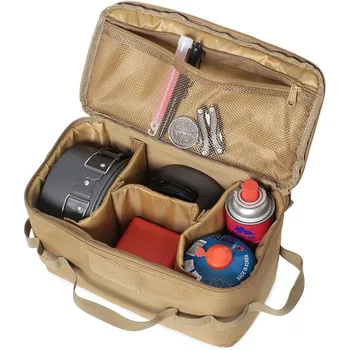
A portable camping stove and basic cooking equipment can help turn your campsite into a small outdoor kitchen. Depending on your trip, you might bring lightweight cookware, utensils, cups, plates, and containers for storing food.
Keep your cooking setup simple and practical. The less time you spend struggling with equipment, the more time you have to enjoy your surroundings.
And remember to plan how you’ll store food safely. Keeping your campsite clean isn’t just good practice—it helps protect both you and the wildlife around you.
Keep Water Within Reach
When you’re hiking under the sun or spending hours exploring a trail, it’s easy to underestimate how much water you need.
A reusable water bottle or hydration system should always have a place in your camping gear. For longer adventures, especially those taking you away from reliable water supplies, a portable filtration or purification system can provide an additional layer of preparedness.
Before setting out, think about where your water will come from and how much you’ll realistically need. Running out of water in the middle of a hike is an experience you don’t want to learn the hard way.
When the Sun Goes Down, Bring the Light
The campsite can feel completely different once the sun disappears. Familiar paths become harder to see, finding something inside your tent becomes a challenge, and even simple tasks like cooking can become difficult.
A headlamp or camping lantern solves that problem.
A headlamp is particularly useful because it leaves your hands free while you’re setting up your tent, preparing food, or walking around camp. A lantern, meanwhile, can provide wider lighting for shared campsite areas.
Before leaving home, make sure your lights are charged and bring spare batteries when necessary. A little preparation can save you from searching for your gear in complete darkness.
Prepare for the Unexpected
Most camping trips go exactly as planned, but the outdoors can be unpredictable. A small cut, blister, scrape, or insect bite can quickly become an uncomfortable distraction if you’re not prepared.
This is where a basic first aid kit becomes one of those pieces of gear you hope you never need but will be glad you brought.
Keep essential first aid supplies accessible rather than buried at the bottom of your backpack. If you’re heading into a remote area, consider bringing additional emergency supplies appropriate for your location and activities.
Knowing how to use your first aid equipment is just as important as carrying it, so learning basic first aid before heading into the wilderness is always worthwhile.
Dress for the Conditions, Not Just the Forecast
One of the biggest mistakes new campers make is dressing for how the weather looks when they leave home rather than how it might change throughout the day.
Outdoor conditions can shift quickly. A warm afternoon can turn into a chilly evening, while an unexpected shower can leave you cold and uncomfortable.
Layering is one of the simplest ways to stay prepared. A moisture-wicking base layer can help manage sweat, an insulating layer can provide warmth, and a waterproof or water-resistant outer layer can help protect you from rain and wind.
Comfortable hiking footwear and good-quality socks are equally important. Happy feet can make a long hike enjoyable; sore feet can make it feel twice as long.
Know Where You Are and How to Get Back
There’s a certain freedom that comes with exploring unfamiliar trails, but that freedom should always come with preparation.
A map, compass, GPS device, or reliable offline navigation system can help you stay oriented. Even if you know the trail, having a backup navigation method is a smart habit.
For more remote adventures, additional emergency equipment such as a whistle, emergency blanket, multi-tool, or appropriate communication device can provide valuable peace of mind.
Before you leave, share your plans with someone you trust. Let them know where you’re going and when you expect to return. It may seem like a small step, but it can become incredibly important if something unexpected happens.
Sometimes, the Smallest Tools Are the Most Useful
Finally, don’t underestimate the usefulness of a good multi-tool and a handful of simple camping accessories.
A multi-tool can help with everything from small repairs to everyday campsite tasks. A length of cord, waterproof storage bags, duct tape, trash bags, and other compact accessories can also come in handy when you least expect them to.
These aren’t necessarily the most exciting items in your backpack, but they can quickly become your favourites when something needs fixing or improvising around camp.
Make Your Next Adventure One to Remember
The best camping gear isn’t necessarily the newest, biggest, or most expensive equipment. It’s the gear you can rely on when you’re miles from home and focused on enjoying the experience.
A good tent keeps you sheltered. A sleeping system helps you rest. Food and water keep you going. Proper clothing keeps you comfortable. Lighting, navigation, and emergency equipment help you stay prepared. And the small accessories often make camp life just a little easier.
Most importantly, remember that camping isn’t about having the perfect setup. It’s about getting outside.
It’s waking up to birds instead of an alarm clock. It’s sharing a meal around a campsite. It’s watching the sunset after a long hike, sitting quietly beside a campfire, or enjoying that first cup of coffee while the world around you slowly comes alive.
Pack thoughtfully, prepare for the conditions, respect the environment, and bring the gear that helps you feel confident outdoors.
Then leave the rest behind—and enjoy the adventure.


0 Comments