
There’s something exciting about getting ready for a camping trip. You start imagining the fresh morning air, quiet trails, evenings under the stars, and that first hot meal after a long day outdoors. But before you head out, there’s one thing that can make or break the experience: packing the right gear.
Forget one important item, and suddenly that relaxing weekend in nature can become a little more challenging. No one wants to arrive at camp and realise they forgot the tent pegs, cooking gear, warm clothes, or—perhaps most importantly—enough water.
The good news is that packing for a camping trip doesn’t have to be complicated. With a little planning and a reliable checklist, you can make sure you have the essentials without filling your vehicle or backpack with things you’ll never use.
Here’s how to prepare for your next outdoor adventure.
Start With Your Shelter
Before thinking about snacks, camp chairs, or gadgets, make sure you have somewhere comfortable and secure to sleep.
Your tent is your home while you’re outdoors, so choose one that matches your destination, the number of people camping, and the expected weather. Along with the tent itself, remember the small accessories that make it work properly—tent poles, pegs, guy lines, and a footprint or groundsheet if needed.
It’s also worth setting up your tent at home before your trip, especially if it’s new. Discovering that you don’t know how to assemble your shelter after arriving at camp in the dark is not the kind of adventure anyone wants.
Make Your Sleeping Setup Comfortable
After a full day of hiking, exploring, swimming, fishing, or simply enjoying the outdoors, you’ll appreciate having a comfortable place to sleep.
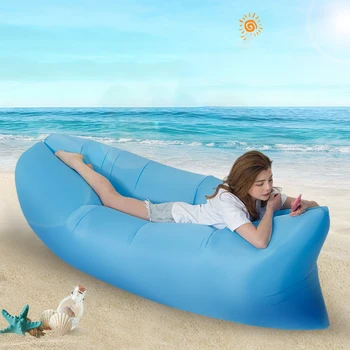
Pack a sleeping bag suited to the expected temperatures, along with a sleeping mat, camping mattress, or inflatable sleeping pad. A pillow or compact camping pillow can also make a surprisingly big difference.
If you’re camping during colder months, think about extra insulation. Staying warm at night starts with choosing sleeping gear that matches the conditions rather than simply relying on extra blankets.
Pack Clothes for Changing Weather
One of the biggest mistakes you can make when camping is packing only for the weather you expect.
Outdoor conditions can change quickly. A sunny afternoon can turn into a cold evening, and a clear morning can suddenly bring rain. Instead of packing one bulky outfit, think in layers.
Bring comfortable base layers, warm clothing, waterproof or water-resistant outerwear, extra socks, sturdy footwear, and clothing appropriate for the activities you’ll be doing.
And don’t underestimate the importance of spare clothes. If you get caught in rain or accidentally step into a muddy trail, having something dry to change into can make the rest of your day much more enjoyable.
Don’t Forget Food and Cooking Equipment
One of the best parts of camping is enjoying a meal outdoors. Even simple food seems to taste better when you’re sitting around a campsite surrounded by nature.
Plan your meals before you leave and pack enough food for the entire trip, including a little extra for unexpected delays.
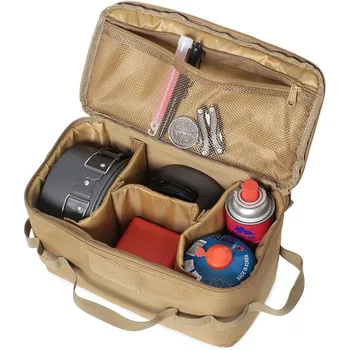
Your cooking setup may include a portable camping stove, fuel, cookware, utensils, cups, plates, a cutting board, food containers, and cleaning supplies. If you’re planning to cook over a campfire, make sure fires are permitted at your campsite and follow local fire regulations.
Don’t forget snacks. Trail mix, dried fruit, energy bars, and other easy-to-carry foods are useful when you’re hiking or exploring away from camp.
Keep Yourself Hydrated
Water should be one of the first things you think about when preparing for an outdoor adventure.
Bring enough drinking water for the trip, taking into account the weather, physical activity, and availability of water at your destination. A reusable water bottle or hydration reservoir makes it easier to stay hydrated throughout the day.
For longer trips, consider bringing an appropriate water filtration or purification system if you’ll need to use natural water sources.
It’s always better to plan ahead than to discover halfway through a hike that your water supply isn’t enough.
Bring Reliable Lighting
Once the sun goes down, even the most familiar campsite can become difficult to navigate.
A headlamp is one of the most useful pieces of camping equipment because it keeps your hands free while you’re cooking, setting up your tent, organising your gear, or walking around camp.
A camping lantern can also provide wider illumination around your campsite. Don’t forget spare batteries or make sure rechargeable lights are fully charged before you leave.
A small backup flashlight can provide additional peace of mind.
Prepare a Camping First Aid Kit
You may never need your first aid kit, but you’ll be very glad you packed it if something goes wrong.
A basic kit can include bandages, gauze, antiseptic wipes, medical tape, blister protection, and other supplies suitable for your planned activities.
If you’re travelling into a remote area, consider carrying additional emergency supplies and make sure someone knows where you’re going and when you expect to return.
Your first aid kit should also be easy to reach. There’s little benefit in having essential supplies buried underneath everything else in your backpack.
Bring Navigation and Emergency Gear
Getting lost isn’t part of most people’s camping plans, but it can happen—especially when exploring unfamiliar trails.
Bring a map and compass, GPS device, or an offline navigation app. Don’t rely entirely on your phone, particularly in areas where mobile coverage may be limited.
Depending on your destination, useful emergency items may include a whistle, emergency blanket, multi-tool, power bank, waterproof matches or fire starter, and an appropriate emergency communication device.
The farther you travel from roads, towns, and other people, the more important preparation becomes.
Remember the Small Essentials
Some of the easiest things to forget are also the things you’ll miss most when they’re gone.
Think about toiletries, sunscreen, insect repellent, prescription items, rubbish bags, toilet paper, hand sanitiser, towels, and personal hygiene supplies.
You may also want to bring a small multi-tool, duct tape, rope or cord, waterproof bags, extra batteries, and a power bank.
These items don’t take up much space but can be extremely useful when something unexpected happens at camp.
Leave Room for Comfort and Fun
Camping doesn’t have to be all about survival. If you’re travelling by car or setting up a base camp, consider bringing a few items that make your time outdoors more enjoyable.
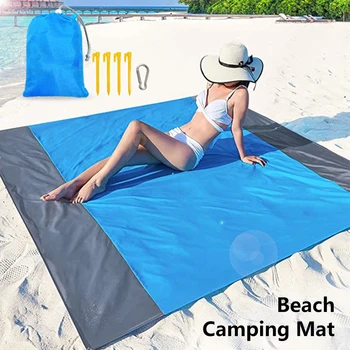
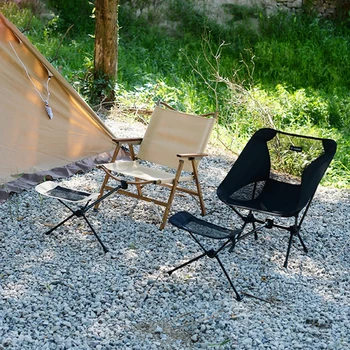
A camping chair, picnic blanket, portable table, book, camera, fishing equipment, binoculars, or outdoor games can turn a simple campsite into a place where you actually want to spend the day.
Just remember that everything you bring eventually has to be packed, carried, cleaned, and stored.
Before You Leave, Check Everything Twice
The night before your trip, take a few minutes to go through your camping checklist one more time.
Check your tent and sleeping gear. Confirm that your cooking equipment works. Fill your water containers. Charge your lights and power banks. Look at the weather forecast and adjust your clothing accordingly.
Most importantly, think about your destination. A weekend at an established campground will require very different preparation from a multi-day backpacking trip into a remote area.
The perfect camping checklist isn’t necessarily the longest one. It’s the one that helps you bring what you need for your specific adventure.
Your Adventure Starts Before You Leave Home
A great camping trip begins long before you arrive at the campsite. It starts when you plan your route, check the weather, organise your gear, and make sure you’re prepared for the conditions ahead.
You don’t need to pack everything. You simply need the right essentials: reliable shelter, comfortable sleeping gear, suitable clothing, food and water, lighting, first aid supplies, navigation tools, and a few practical extras.
Once everything is organised, you can finally close the backpack, load the car, and start the journey.
Because the real goal isn’t to have the biggest pile of camping gear.
It’s to be prepared enough that you can forget about your equipment, look around, take a deep breath, and enjoy where you are.
Pack smart. Leave no trace. Stay prepared. And make your next outdoor adventure one worth remembering.



0 Comments