
There’s something refreshing about spending time outdoors. Maybe you enjoy following a winding trail through the trees, climbing toward a mountain viewpoint, or setting up camp beside a quiet lake. Hiking and camping can both get you outside, but they offer very different experiences—and that means they also require different types of gear.
At first, it might seem like you can use the same equipment for both activities. While there is some overlap, the way you pack for a day on the trail is very different from preparing for a night or several days at a campsite.
Understanding the difference can help you pack smarter, stay comfortable, and avoid carrying equipment you simply don’t need.
Hiking Is All About Mobility
Imagine starting your morning at the trailhead with everything you need comfortably packed on your back. You have kilometres ahead of you, changing terrain, and possibly changing weather.
When you’re hiking, weight and mobility matter.
Every item you carry adds to the load you’ll have to move with you. That’s why hiking gear tends to focus on being lightweight, compact, durable, and practical.
A comfortable hiking backpack is one of your most important pieces of equipment. It should fit properly, distribute weight comfortably, and provide enough space for the essentials without encouraging you to overpack.
Your footwear is equally important. A pair of sturdy, comfortable hiking shoes or boots can provide support and traction across different types of terrain.
What You Need for a Day Hike
A day hike usually requires much less equipment than an overnight camping trip.
Your basic setup might include a comfortable backpack, plenty of water, snacks or food, weather-appropriate clothing, navigation tools, sun protection, and a small first aid kit.
Depending on the location and difficulty of the trail, you may also want a headlamp, rain jacket, emergency blanket, whistle, multi-tool, or power bank.
The goal is to be prepared without carrying unnecessary weight.
Before leaving, think about the trail length, elevation, weather, terrain, and how remote the area is. A short walk on a well-maintained trail requires very different preparation from a full-day hike through a remote mountain area.
Clothing Matters on the Trail
Hiking can involve changing temperatures, exposure to wind, rain, and plenty of physical movement.
Instead of dressing based solely on the temperature at the trailhead, think about layers.
A moisture-wicking base layer can help manage sweat, while an insulating layer provides warmth when temperatures drop. A lightweight waterproof or water-resistant outer layer can help protect you from rain and wind.
Comfortable socks are also worth paying attention to. Wet or poorly fitting socks can quickly lead to blisters and discomfort.
The right clothing should allow you to move freely while helping you stay comfortable as conditions change.
Camping Requires a Different Approach
Now imagine finishing your hike and arriving at a campsite where you’ll spend the night.
Suddenly, your gear requirements change.
You don’t just need equipment to keep you moving—you need equipment that allows you to eat, sleep, stay warm, and live comfortably outdoors.
A tent becomes essential. You’ll also need a sleeping bag or sleeping system, sleeping pad, cooking equipment, food, additional water, lighting, and potentially more clothing.
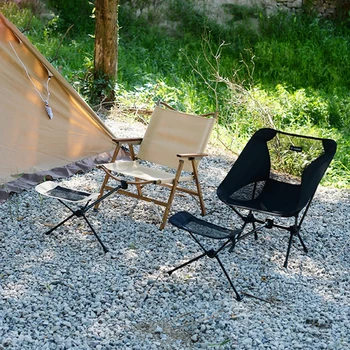
If you’re car camping, you have more flexibility because you don’t need to carry everything on your back for kilometres. You can bring larger tents, camping chairs, coolers, tables, and more extensive cooking equipment.
For backpacking trips, however, you’ll need to balance camping comfort with the weight you’re carrying.
Your Tent Becomes Your Home
One of the biggest differences between hiking and camping gear is shelter.
A day hiker can return home after completing the trail. A camper needs somewhere to sleep.
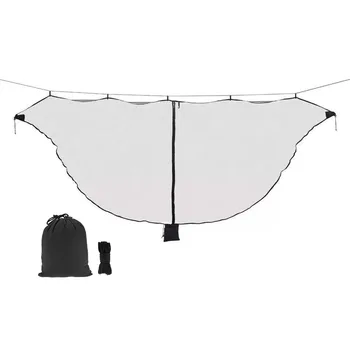
Your tent should match your destination, expected weather, number of people, and camping style. A lightweight backpacking tent may be ideal when you’re carrying your shelter long distances, while a spacious family tent may be more appropriate for an established campground.
Don’t forget the smaller components, such as tent poles, stakes, guy lines, and a rainfly if your tent uses one.
It’s also a good idea to practise setting up your tent before your trip. Knowing how your shelter works can save a lot of frustration when you arrive at camp tired or after dark.
Camping Means Thinking About Food
Hikers generally need food that is lightweight and easy to eat on the trail.
Energy bars, trail mix, dried fruit, sandwiches, and other portable snacks can provide convenient fuel without adding too much weight.
Camping opens up more possibilities.
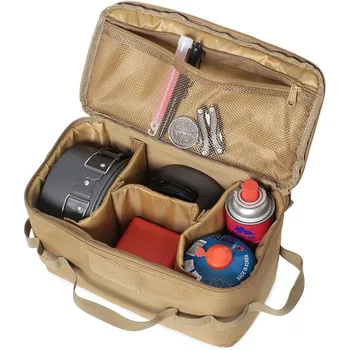
When you have a campsite as your base, you can bring a portable stove, cookware, utensils, a cooler, fresh ingredients, and more substantial meals.
There’s nothing quite like preparing breakfast outdoors after waking up in a tent. Even something as simple as eggs, toast, or coffee can feel like part of the adventure.
Water Is Essential for Both
Whether you’re hiking for a few hours or camping for several days, water should always be part of your planning.
Hikers need to carry enough water for their route and activity level. A hydration reservoir or reusable water bottle makes it easier to drink regularly while moving.
Campers may need additional water for drinking, cooking, washing dishes, and cleaning.
If you’re heading somewhere without reliable access to clean water, you may need to carry a larger supply or use an appropriate filtration or purification system.
Always research your destination beforehand rather than assuming water will be available.
Navigation and Safety Are Important for Both
Getting outdoors should be enjoyable, but preparation matters.
Both hikers and campers should consider carrying basic navigation and emergency equipment. A map, compass, GPS device, or offline navigation app can help you stay oriented.
A first aid kit is also useful for dealing with minor injuries such as cuts, blisters, and scrapes.
For more remote adventures, additional items such as a whistle, emergency blanket, headlamp, power bank, multi-tool, and suitable emergency communication equipment may be worthwhile.
The more remote your adventure, the more important it is to prepare for unexpected situations.
Hiking and Camping Gear Can Work Together
Although the two activities have different requirements, many pieces of gear can be used for both.
A good water bottle, headlamp, first aid kit, weatherproof clothing, navigation equipment, and multi-tool can easily become part of both your hiking and camping kit.
This is one reason it can be useful to build your outdoor gear collection gradually. Start with versatile essentials and add specialised equipment as your adventures become more ambitious.
For example, if you begin with day hikes and eventually decide to try overnight backpacking, you can build on the equipment you already own rather than starting from scratch.
So, Which Gear Do You Actually Need?
The answer depends on what you’re doing.
For a day hike, focus on mobility and essentials: a comfortable backpack, suitable footwear, water, food, weather-appropriate clothing, navigation tools, sun protection, and basic emergency supplies.
For camping, you’ll need to expand your equipment to include shelter, sleeping gear, cooking equipment, food storage, additional lighting, and supplies for spending more time outdoors.
For backpacking, you’ll need a combination of both. Your gear needs to support hiking while also providing everything required for an overnight stay—without becoming too heavy.
The key is to think about the experience before you think about the equipment.
Choose Gear for the Adventure, Not Just the Activity
Hiking and camping aren’t really competing activities. In many cases, they go hand in hand.
You might hike during the day and camp at night. You might spend a weekend at a campground and explore nearby trails. Or you might eventually find yourself planning a multi-day backpacking adventure that combines both.
Whatever type of outdoor experience you choose, the right gear should make the journey easier rather than become a burden.
Think about where you’re going, how long you’ll be there, what the weather might bring, and how much equipment you’re willing to carry.
Then pack accordingly.
Because the best outdoor gear isn’t necessarily the gear with the most features. It’s the equipment you can depend on when you’re miles from home, surrounded by nature, and focused on enjoying the adventure.
Hike light, camp smart, stay prepared—and make every outdoor adventure count.



0 Comments