
There’s something incredibly rewarding about spending a day outdoors. The fresh air, open spaces, quiet trails, and changing scenery can make you forget about the usual routines of everyday life. Whether you’re hiking through a forest, camping beside a lake, exploring a mountain trail, or enjoying a weekend with family and friends, outdoor adventures offer a chance to reconnect with nature.
But the best adventures aren’t just about where you go. They’re also about how prepared you are.
A beautiful trail can become challenging when the weather changes unexpectedly. A simple hike can become uncomfortable when you don’t have enough water or the right footwear. And even a relaxing camping trip can quickly become stressful if you haven’t planned for basic safety needs.
Fortunately, staying comfortable and safe outdoors doesn’t require complicated preparation. A little planning, the right gear, and a willingness to respect your surroundings can make a huge difference.
Know What You’re Getting Into
Before you leave home, take some time to understand your destination.
Look at the trail or campsite, check the expected weather, and consider how long you’ll be outdoors. Think about the terrain, elevation, available facilities, mobile phone coverage, and access to water.
A short walk on a well-maintained trail is very different from a remote hike through rugged terrain. Your preparation should reflect the level of adventure you’re taking on.
It’s also a good idea to let someone know where you’re going, especially if you’re travelling somewhere remote. Share your general route and expected return time so someone knows when to expect you back.
A few minutes of planning can provide a lot of peace of mind.
Dress for the Conditions
One of the easiest ways to become uncomfortable outdoors is wearing the wrong clothing.
The temperature you experience at the beginning of your adventure may not be the same later in the day. Weather can change quickly, particularly in mountainous or exposed areas.
Layering gives you flexibility. A moisture-wicking base layer can help manage sweat, an insulating layer can provide warmth, and a waterproof or water-resistant outer layer can help protect you from rain and wind.
Don’t forget your feet. Comfortable, supportive footwear suited to the terrain can help prevent blisters, soreness, and slips.
And always consider bringing an extra layer when conditions are uncertain. It may spend the entire day in your backpack, but you’ll be glad to have it if temperatures suddenly drop.
Stay Hydrated
It’s easy to become focused on the trail and forget to drink enough water.
By the time you feel extremely thirsty, you may already need to replenish your fluids. Make drinking water a regular part of your outdoor routine, particularly during warm weather or physically demanding activities.
Carry enough water for your planned route and consider bringing extra when conditions are hot or access to water is limited.
For longer adventures, a suitable water filtration or purification system can provide an additional option when natural water sources are available and appropriate to use.
Protect Yourself From the Sun
Even on cooler days, spending hours outdoors can expose you to significant sunlight.
Sunscreen, sunglasses, and a hat can help protect you while you’re hiking, camping, fishing, or relaxing outdoors.
Try to take breaks in shaded areas when possible, especially during the hottest part of the day.
Remember that sun exposure can still be significant when temperatures don’t feel particularly warm, so make sun protection part of your regular outdoor preparation.
Take Care of Your Feet
Your feet carry you through the entire adventure, so they deserve some attention.
Choose footwear that fits properly and matches the terrain. Hiking shoes or boots should provide the support and traction you need without causing uncomfortable pressure points.
Good-quality socks can also make a noticeable difference. Avoid footwear that hasn’t been broken in before a long hike, as blisters can quickly turn an enjoyable adventure into an uncomfortable one.
If you’re heading out for several hours, consider carrying blister protection in your first aid kit.
Happy feet make for a much happier adventure.
Carry a Basic First Aid Kit
You don’t need a huge medical bag for most recreational outdoor activities, but having basic first aid supplies is always a smart idea.
Bandages, antiseptic wipes, gauze, medical tape, blister protection, and other basic supplies can help you deal with minor cuts, scrapes, and common outdoor injuries.
Keep the kit somewhere easy to access rather than buried beneath everything else in your backpack.
For more remote or challenging adventures, consider what additional first aid and emergency equipment may be appropriate for your location and activities.
It’s also useful to understand basic first aid before heading outdoors. Equipment is helpful, but knowing how to use it is even more valuable.
Don’t Rely Entirely on Your Phone
Your smartphone can be incredibly useful outdoors. It can provide navigation, weather updates, photography, communication, and emergency information.
But your phone shouldn’t be your only safety plan.
Battery life can disappear quickly, and mobile coverage may be unreliable in remote areas. Consider carrying a physical map and compass, a portable power bank, or other appropriate navigation and communication equipment.
Before leaving, download maps or information you may need while you still have an internet connection.
Having a backup plan is one of the simplest ways to improve your preparedness.
Pay Attention to the Weather
Weather can turn a comfortable outdoor adventure into a difficult one surprisingly quickly.
Check the forecast before you leave, but don’t stop there. Continue paying attention to the conditions around you.
Dark clouds, strong winds, sudden temperature changes, or heavy rainfall may be signs that it’s time to adjust your plans.
Being outdoors isn’t about proving that you can push through every condition. Sometimes the smartest decision is turning around, finding shelter, or postponing the adventure.
There’s always another day to explore.
Know Your Limits
It’s tempting to push yourself when you’re enjoying an adventure, especially when you’re hiking with friends or trying to reach a particular viewpoint.
But knowing when to slow down is an important outdoor skill.
Pay attention to signs of exhaustion, dehydration, overheating, cold exposure, or injury. Take regular breaks, eat when you need energy, and don’t feel pressured to match someone else’s pace.
If you’re hiking with a group, stay together or establish a clear plan for staying in contact.
The goal is to return home with great memories—not to finish the trip completely exhausted or injured.
Respect Wildlife and the Environment
Staying safe outdoors also means respecting the environment around you.
Keep a safe distance from wildlife and never attempt to feed or approach animals. Store food securely where required and follow local campsite rules.
Stay on designated trails when possible, dispose of waste properly, and avoid damaging plants or natural features.
The outdoors belongs to everyone, and responsible recreation helps keep these places beautiful for future adventurers.
Keep Your Gear Simple and Reliable
You don’t need the most expensive equipment to enjoy the outdoors.
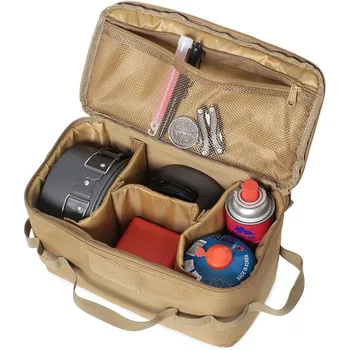
What matters is having gear that works for your specific adventure. A comfortable backpack, appropriate clothing, reliable footwear, sufficient water, navigation equipment, first aid supplies, lighting, and weather protection can go a long way.
Before heading out, check your equipment. Make sure your shoes are in good condition, your headlamp works, your water containers are clean, and your emergency supplies are accessible.
Reliable gear gives you one less thing to worry about when you’re out exploring.
Safety Doesn’t Have to Take Away From the Fun
Some people think preparing for outdoor safety means worrying about everything that could go wrong.
It doesn’t.
Good preparation actually gives you more freedom to enjoy the experience.
When you know you have enough water, appropriate clothing, reliable navigation, and basic emergency supplies, you can spend less time worrying and more time appreciating where you are.
You can focus on the sunrise, the trail ahead, the sound of the trees, the laughter around the campsite, or the quiet moments that made you want to go outdoors in the first place.
Make Preparation Part of the Adventure
The best outdoor adventures aren’t necessarily the biggest or most challenging ones. They’re the ones where you feel prepared, comfortable, and confident enough to enjoy the journey.
Before your next adventure, take a few minutes to check the weather, understand your route, pack the essentials, tell someone your plans, and think about what could change along the way.
Then get outside.
Explore at your own pace. Take breaks. Drink plenty of water. Respect nature. Pay attention to your surroundings—and don’t be afraid to change your plans when conditions call for it.
Because staying safe outdoors isn’t about limiting your adventure.
It’s about being prepared enough to enjoy every moment of it.



0 Comments