
There’s something magical about sleeping outdoors.
For some people, camping begins with a simple tent in the backyard. You spend the evening under the stars, listen to the sounds of the night, and wake up to the morning light instead of an alarm clock. It might seem like a small adventure, but that first night outdoors can spark a lifelong love for camping.
Eventually, you may find yourself wondering what it would be like to take that experience further—to leave the backyard, find a quiet campground, explore a forest trail, or spend a weekend surrounded by nature.
If you’ve never been camping before, the idea can feel a little overwhelming. What do you need to bring? Where should you go? What happens if it rains? How do you even set up a tent?
The good news is that camping doesn’t have to be complicated. You can start small, learn as you go, and gradually become more confident outdoors.
Start in Your Own Backyard
Before heading deep into the wilderness, why not try camping at home?
Backyard camping is one of the easiest ways to discover whether you enjoy sleeping outdoors. It lets you practise setting up your tent, organising your sleeping gear, preparing food, and getting comfortable with the sounds and conditions of nighttime.
It’s also a great way to test your equipment.
Set up your tent before sunset and make sure you know how everything works. Try your sleeping bag or sleeping pad. Test your camping lantern. Prepare a simple meal outside.
If you realise you’ve forgotten something, your kitchen and bathroom are only a few steps away.
Once you’ve made it through the night, you’ll have a much better idea of what you need for your first real camping trip.
Choose an Easy First Destination
When you’re ready to leave the backyard, resist the temptation to make your first adventure too ambitious.
You don’t need to hike for hours into a remote forest or climb a mountain to experience camping. A nearby established campground can be an excellent starting point.
Look for a campsite with basic facilities such as toilets, water access, designated camping areas, and clearly marked surroundings. Being relatively close to home can also make your first trip less stressful.
If something goes wrong, you won’t be hours away from help or familiar surroundings.
The goal of your first trip isn’t to prove how tough you are. It’s to learn how you enjoy being outdoors.
Keep Your First Trip Simple
One of the biggest mistakes beginners make is trying to plan everything at once.
You don’t need a complicated itinerary packed with activities. A simple overnight or weekend trip can be more than enough.
Set up your campsite, prepare a meal, take a short walk, watch the sunset, and enjoy the evening.
Camping gives you permission to slow down.
You don’t need to constantly be doing something. Sitting outside with a cup of coffee, listening to the wind through the trees, or talking with friends around the campsite can become some of the most memorable parts of the experience.
Learn the Basics of Your Tent
Your tent is going to be your home for the night, so it’s worth becoming familiar with it before you leave.
Practise setting it up at home. Learn where the poles go, how the clips attach, where the rainfly sits, and how the tent packs away.
Don’t wait until you’re at the campsite, tired and standing in the dark, to figure it out for the first time.
Also, pay attention to where you pitch your tent. Choose a suitable, relatively level area and avoid locations that could become uncomfortable or unsafe in poor weather.
A little preparation can make setting up camp much easier.
Pack the Essentials—Not Everything
You don’t need to buy every piece of camping equipment you see.
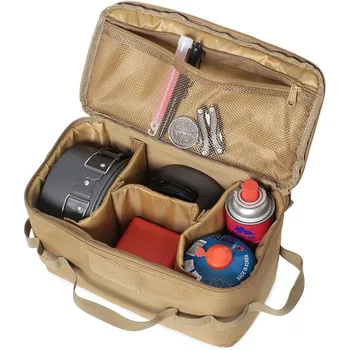
Start with the basics: a suitable tent, sleeping bag, sleeping pad, comfortable clothing, food, water, lighting, basic cooking equipment, first aid supplies, and navigation or emergency gear appropriate for your destination.
The right equipment depends on the type of camping you’re doing.
Car camping gives you more freedom to bring larger and heavier items. Backpacking requires much more attention to weight and pack size.
As you gain experience, you’ll discover which items genuinely improve your camping trips and which ones can stay at home.
Dress for the Outdoors
Your backyard might be comfortable, but outdoor conditions can change quickly when you’re camping somewhere unfamiliar.
Check the weather before leaving and pack clothing accordingly. Layers are particularly useful because temperatures can change throughout the day.
Bring comfortable footwear, extra socks, warm clothing if temperatures may drop, and waterproof or water-resistant outerwear when rain is possible.
Don’t forget simple items such as a hat, sunscreen, and insect repellent.
Being comfortable outdoors makes it much easier to enjoy the experience.
Make Food Part of the Fun
You don’t need to become an outdoor chef to enjoy camping meals.
For your first trip, choose simple foods that are easy to prepare. Breakfast might be eggs and toast. Lunch could be sandwiches or wraps. Dinner might be pasta, grilled food, or a simple one-pot meal.
A portable camping stove and basic cookware can make preparation straightforward.
Don’t forget snacks and plenty of water. It’s easy to underestimate how much food and water you’ll need when you’re spending the day outdoors.
And remember to clean up after meals and store food appropriately. A clean campsite is safer, more pleasant, and better for the environment.
Don’t Forget About the Night
One of the biggest changes when you start camping is how different the outdoors feels after dark.
Without streetlights and buildings around you, the night can be surprisingly dark and quiet.
Bring a headlamp or camping lantern so you can move around safely and find things inside your tent. Make sure your light is charged or bring spare batteries.
But don’t rush to fill the darkness with artificial light.
Take a moment to look up.
Away from city lights, you may see far more stars than you’re used to seeing. For many beginners, that first clear night sky becomes one of the highlights of the entire camping experience.
Learn to Respect Nature
Camping isn’t just about enjoying nature. It’s also about taking care of it.
Follow the rules of the campground or outdoor area you’re visiting. Stay on designated trails, dispose of rubbish properly, and avoid disturbing plants and wildlife.
If you’re making a fire, make sure fires are permitted and follow local fire-safety requirements. Never leave a fire unattended and make sure it is completely extinguished before leaving.
A good camper leaves the site as they found it—or even better.
Expect a Few Mistakes
Your first camping trip probably won’t be perfect.
You might forget something. Your tent might take longer to set up than expected. You might discover that the sleeping pad isn’t as comfortable as you imagined. Maybe it rains when the forecast said it wouldn’t.
That’s okay.
Every experienced camper has a story about something that went wrong.
The important thing is to learn from those experiences. After each trip, think about what worked, what didn’t, and what you would do differently next time.
Over time, packing becomes easier, campsite setup becomes faster, and unexpected situations become less intimidating.
Bring People You Enjoy
Camping can be a wonderful solo experience, but your first trip can be even more enjoyable with people you trust.
Friends and family can help with setting up the campsite, preparing meals, exploring trails, and keeping the evening entertaining.
There’s something special about sharing simple experiences outdoors. A meal can become a conversation. A short walk can become an adventure. A quiet evening around the campsite can turn into hours of laughter and stories.
And when something goes slightly wrong, you have someone to laugh about it with.
Your Camping Journey Starts Small
You don’t need to become an expert camper overnight.
Start in the backyard. Try an easy campground. Spend one night outdoors. Learn how your equipment works. Pay attention to the weather. Pack the essentials. Make a simple meal.
Then, when you’re ready, go a little farther.
Maybe your next trip will be a weekend in the mountains. Perhaps you’ll explore a national park, hike a longer trail, or eventually try backpacking.
Every adventure builds confidence for the next one.
Camping isn’t about having the perfect equipment or knowing everything before you begin. It’s about being willing to step outside your comfort zone, learn from the experience, and appreciate the world around you.
So put up that tent, pack a few essentials, invite someone you enjoy spending time with, and give camping a try.
Your first adventure doesn’t have to be far away. Sometimes, it starts right in your own backyard.


0 Comments