
There’s something about eating outdoors that makes even the simplest meal feel special.
A hot breakfast enjoyed while the morning sun comes through the trees. A freshly brewed cup of coffee beside a quiet lake. Dinner shared around the campsite after a full day of hiking and exploring. When you’re camping, food isn’t just about staying fuelled—it becomes part of the adventure.
But cooking outdoors is very different from cooking in your kitchen. You have limited space, fewer tools, changing weather conditions, and sometimes no access to running water or electricity. The key is to keep things simple while bringing the equipment you can rely on.
Whether you’re heading out for a weekend at a local campground or planning a longer outdoor adventure, having the right camping cooking essentials can make mealtimes easier, safer, and much more enjoyable.
Start With a Reliable Camping Stove
A dependable cooking setup starts with a reliable heat source.
For many campers, a portable camping stove is one of the most practical options. It’s easy to use, provides controlled heat, and can be more predictable than cooking directly over a fire.
Choose a stove based on the type of camping you’re doing. A compact stove may be ideal for backpacking, while a larger two-burner model can be more convenient for family or car camping.
Before your trip, make sure you understand how your stove works and bring the appropriate fuel. It’s always better to test your equipment at home than to discover a problem when you’re already at the campsite.
If you’re planning to cook over a campfire, check local regulations first. Some campsites restrict open fires depending on weather conditions, season, or fire danger.
Pack the Right Cookware
You don’t need to bring your entire kitchen with you.
A few versatile pieces of cookware can handle most camping meals. A sturdy pot can be used for boiling water, preparing pasta, making soup, or cooking other one-pot meals. A frying pan can handle breakfast, vegetables, meat, and more.
For campers who want to keep their packs light, look for cookware that is durable, compact, and designed to nest together.
The best camping cookware is often the equipment you can use in several different ways. Fewer pieces mean less weight, less storage space, and fewer dishes to clean.
Don’t Forget Your Cooking Utensils
Small tools can quickly become essential once you’re preparing food outdoors.
A spatula, spoon, tongs, knife, and can opener can cover most basic cooking tasks. A compact multi-tool can also be useful for opening packages or handling unexpected campsite jobs.
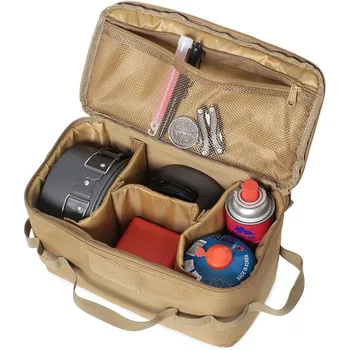
Consider choosing lightweight utensils that are easy to clean and store. Keeping everything together in one small cooking kit can also prevent you from searching through your backpack every time you need something.
Bring a Good Knife and Cutting Board
A sharp, reliable knife is one of the most useful tools in any outdoor kitchen.
It can help you prepare vegetables, slice bread, cut meat, and handle a wide range of cooking tasks. Pair it with a compact cutting board that is easy to clean and store.
If you’re preparing food ahead of time, you can make camping even easier by chopping ingredients at home and storing them in sealed containers.
This reduces preparation time at the campsite and means you can spend more time enjoying your surroundings.
Keep Food Fresh and Organised
Food storage is an important part of camping preparation.
Use durable, sealable containers or reusable bags to keep ingredients organised and protected. Grouping your food by meal can also make cooking much easier. Instead of searching through everything you packed, you can simply grab the container for breakfast, lunch, or dinner.
Think about what foods need refrigeration and how long they’ll be stored. If your trip requires a cooler, choose one that can maintain a safe temperature for the duration of your adventure.
Most importantly, keep your campsite clean and store food securely. Proper food storage helps protect your meals while reducing the chance of attracting wildlife to your campsite.
Water Is Just as Important as Food
It’s easy to focus so much on meals that you forget about the water needed to prepare them.
Cooking pasta, making coffee, washing dishes, and preparing dehydrated meals can all require additional water beyond what you drink.
Before leaving, estimate how much water you’ll need for drinking, cooking, and cleaning. If you’re camping somewhere without a reliable water supply, plan accordingly.
For longer adventures, a suitable water filtration or purification system can provide an additional option when using natural water sources.
Make Coffee Part of the Morning Ritual
For many campers, coffee is more than a drink—it’s a camping tradition.
There’s something incredibly satisfying about sitting outside in the cool morning air with a warm cup of coffee in your hands.
Fortunately, you don’t need a complicated coffee machine outdoors. Depending on your preference, you can use a compact pour-over setup, French press, camping coffee maker, or simple instant coffee.
Choose whatever works best for your camping style. The goal is to enjoy your morning rather than spend half an hour managing complicated equipment.
Plan Simple Meals
Camping isn’t the best time to experiment with a complicated five-course dinner.
Simple meals are often the most enjoyable outdoors because they’re easier to prepare, require fewer ingredients, and create less washing up.
Think about meals such as wraps, sandwiches, pasta, rice dishes, grilled vegetables, eggs, sausages, soups, or foil-packed meals. Snacks such as trail mix, nuts, dried fruit, and energy bars are also easy to carry while hiking.
Planning your meals before leaving home can also help you avoid bringing too much food.
Write down what you’ll eat for each day and pack ingredients accordingly. You’ll know exactly what you need, and you’ll spend less time deciding what to cook once you’re at camp.
Don’t Forget Cleaning Supplies
Cooking is only half the job. You also need to clean everything afterward.
Bring biodegradable or campsite-appropriate dish soap where permitted, a sponge or scrubber, a small towel, and rubbish bags. Some campers also find a compact washing basin useful.
Try to clean cookware soon after eating rather than leaving food sitting around your campsite.
Always follow the rules of your campsite when disposing of wastewater and food scraps. Protecting the environment is part of being a responsible camper.
Bring the Small Extras That Make a Difference
A few additional items can make your outdoor kitchen much more convenient.
Consider bringing reusable plates and cups, a water jug, food storage bags, aluminium foil, reusable containers, a lighter or appropriate fire starter, and a small table if your campsite doesn’t provide one.
A cooler can be useful for keeping perishable foods and drinks cold, while a portable camp table can give you a dedicated surface for cooking and preparing food.
You don’t need every accessory available. Focus on the items that match the way you actually camp.
Think About Safety
Outdoor cooking requires a little extra awareness.
Always use cooking equipment according to the manufacturer’s instructions and place stoves on stable, suitable surfaces. Keep flammable materials away from cooking flames, and never leave an active cooking appliance unattended.
If you’re using a campfire, make sure fires are permitted and follow all local regulations. Completely extinguish fires before leaving the campsite or going to sleep.
Good preparation and simple safety habits can help keep your outdoor meals enjoyable and stress-free.
Great Camping Meals Start With Simple Preparation
The best camping kitchen doesn’t have to be complicated.
A reliable stove, versatile cookware, basic utensils, food storage, clean water, and a few practical accessories are often enough to prepare delicious meals outdoors.
The real secret is planning. Think about your destination, the length of your trip, the number of people you’re feeding, the available facilities, and the weather. Then pack only what you need.
Once everything is organised, cooking becomes part of the fun rather than another task to worry about.
Imagine waking up to the sound of birds, preparing breakfast while the campsite slowly comes alive, and sitting down with friends or family to enjoy a warm meal surrounded by nature.
That’s what outdoor cooking is really about.
Keep it simple, pack smart, cook safely, and enjoy every bite of your next camping adventure.

0 Comments